
A few signs indicate an approaching warm season in Philadelphia: long lines of neighborhood kids eagerly waiting outside water ice shops, the constant buzzing of dirt bikes tearing up the asphalt, all while people cruise around with their windows down, blasting music and taking in a much-welcomed mixture of the sun’s heat and a comfortable cool breeze.
But for the BBS Boys, a tri-state area-based car club, the official kick-off for spring and summer starts with their annual Cheesesteak Run meet. Since 2022, hundreds of extensively modified classic import luxury sedans and sports cars gather at the Belmont Plateau to celebrate a bygone era of car customization and culture.
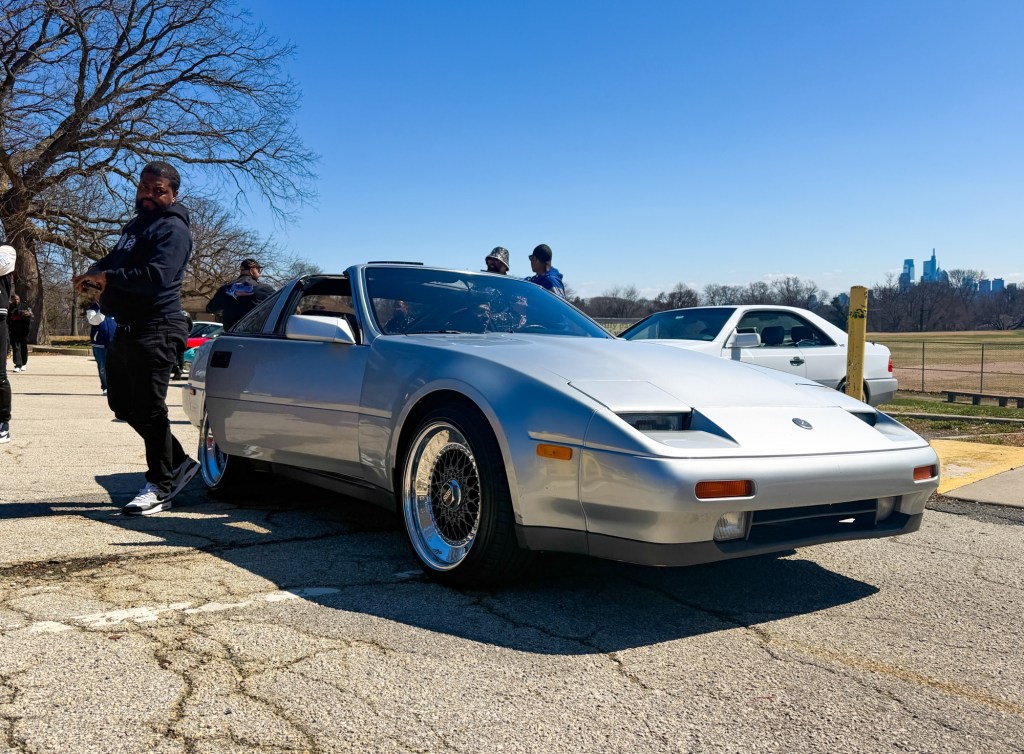
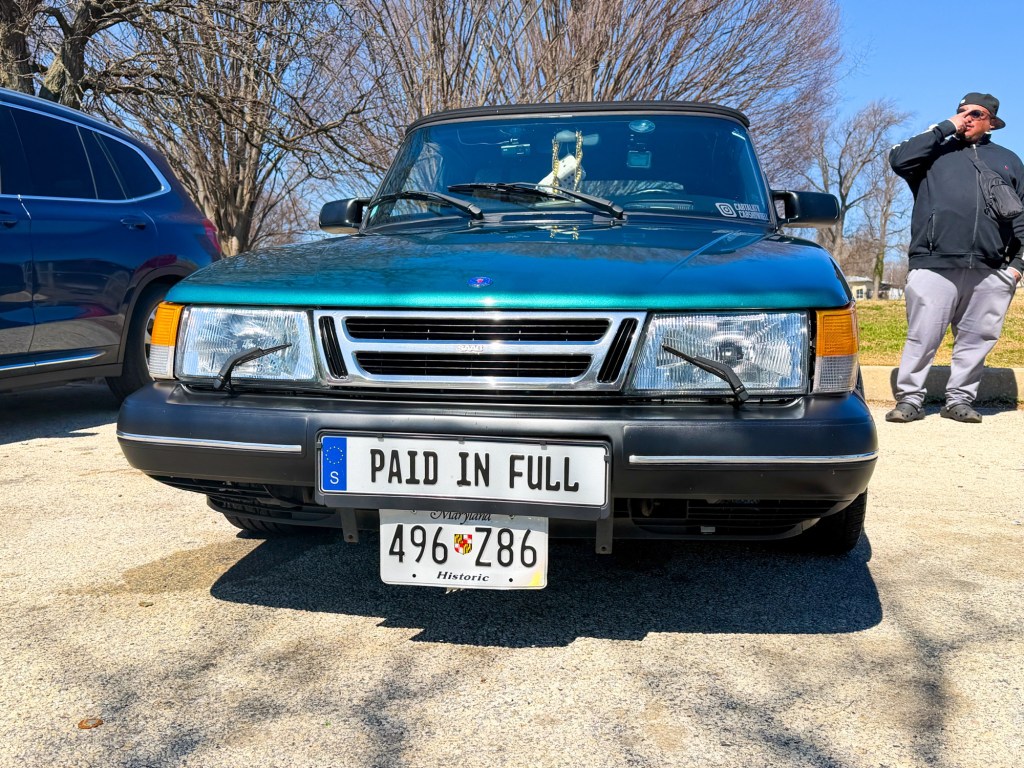
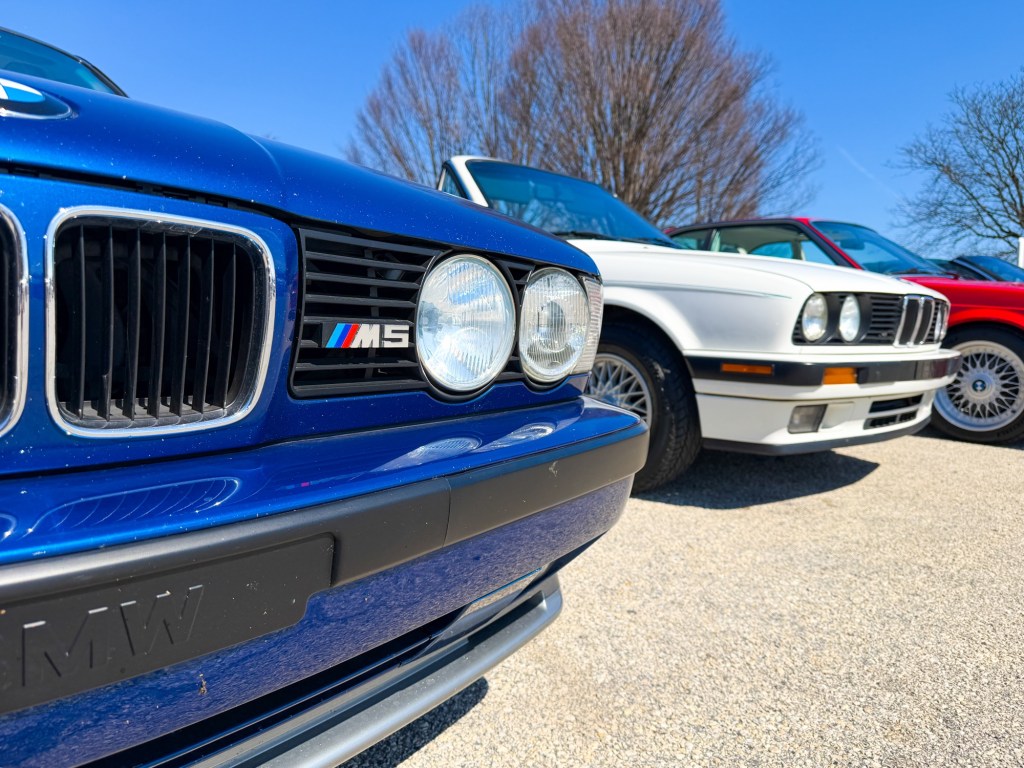
“We represent culture, cars and the musical lifestyle,” said BBS Boys co-founder, DJ Thoro. “The West Coast has the lowriders, but over here, this is our thing.”
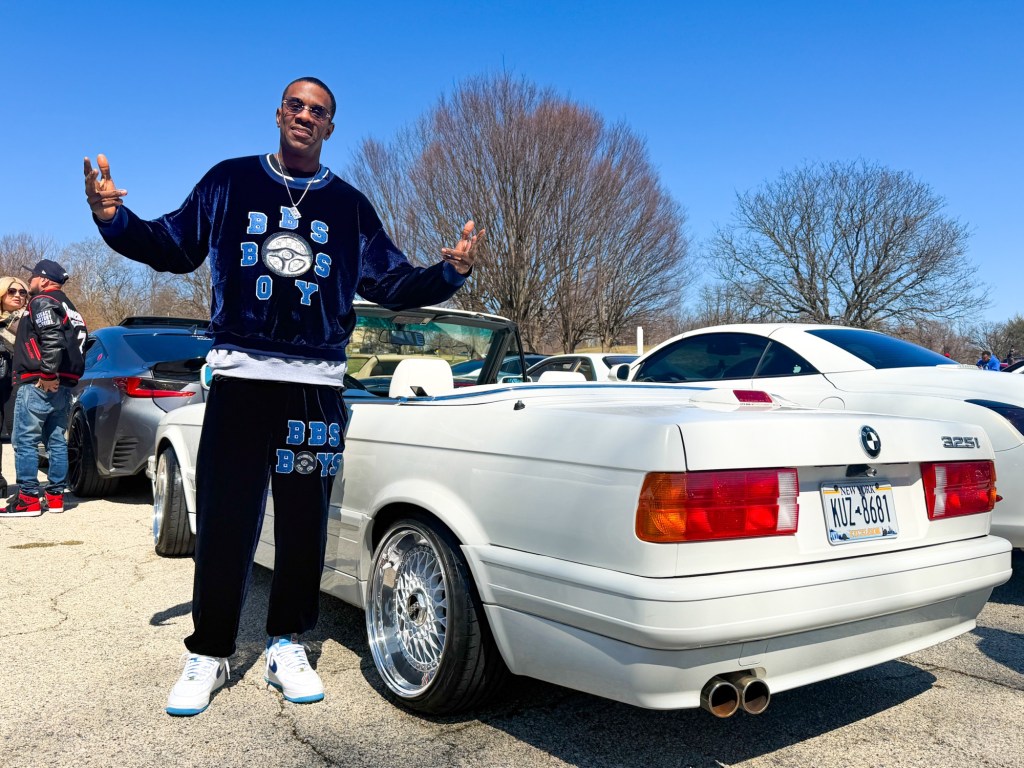
Across several East Coast cities, the automotive world in the late 1980’s and early 1990’s was defined by the “dope boy” era, where luxury car owners would outfit their rides with booming sound systems, sparkling metallic paint jobs, custom leather upholsteries, and most importantly, a set of chrome-lipped BBS wheels. This style’s popularity would fade towards the new millennium, but was kept alive by those who dreamed of owning these cars in their youth.
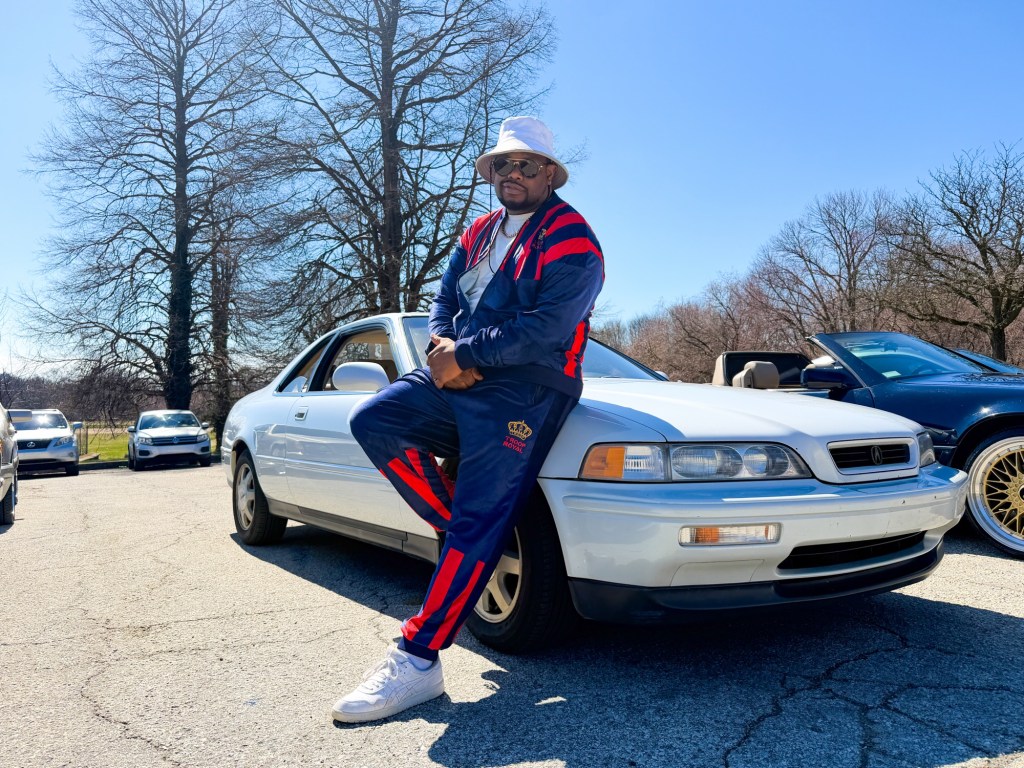
“I just miss it,” said Jabari Chancey, event attendee and proud owner of a 1992 Acura Legend Coupe. “The ‘80’s and ‘90’s were special, there was nothing like it. I was the puppy that was watching all the dudes with their cars and was like, ‘I can’t wait to get my turn.’ Then, when the time came, the streets were dead.”
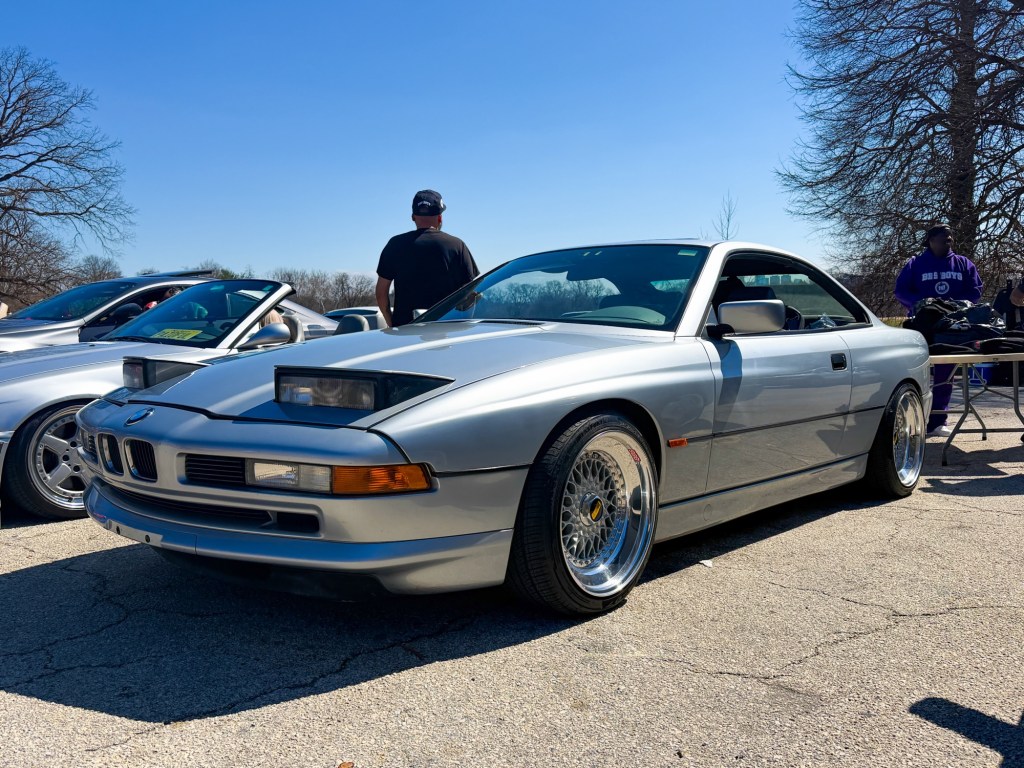
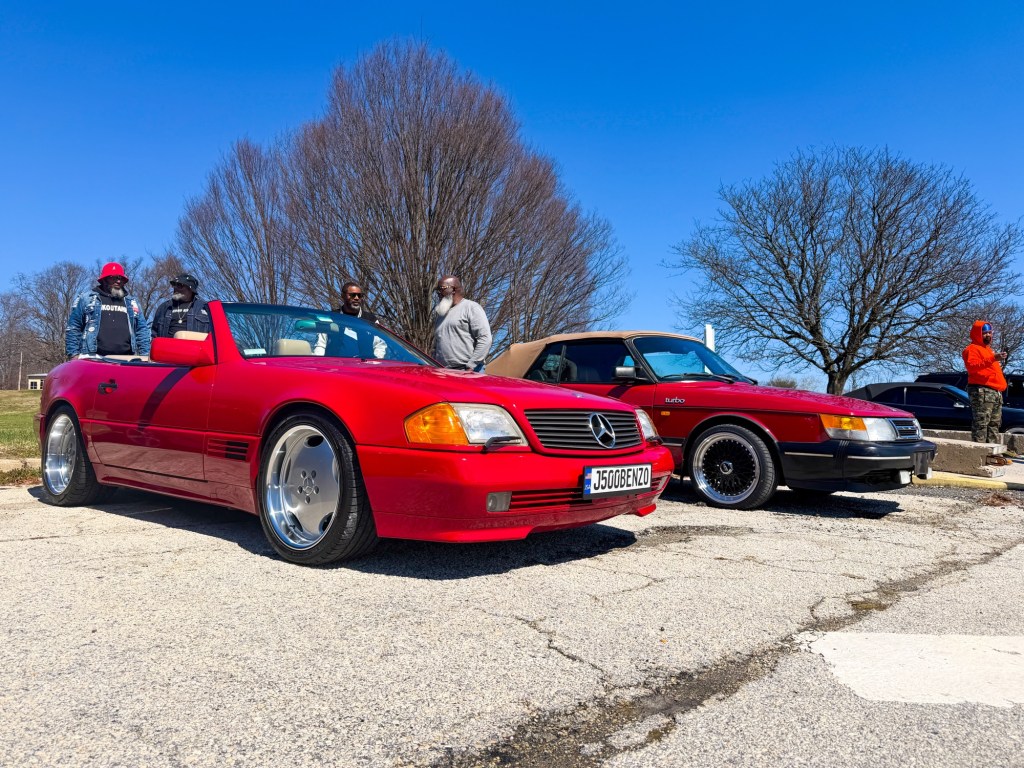
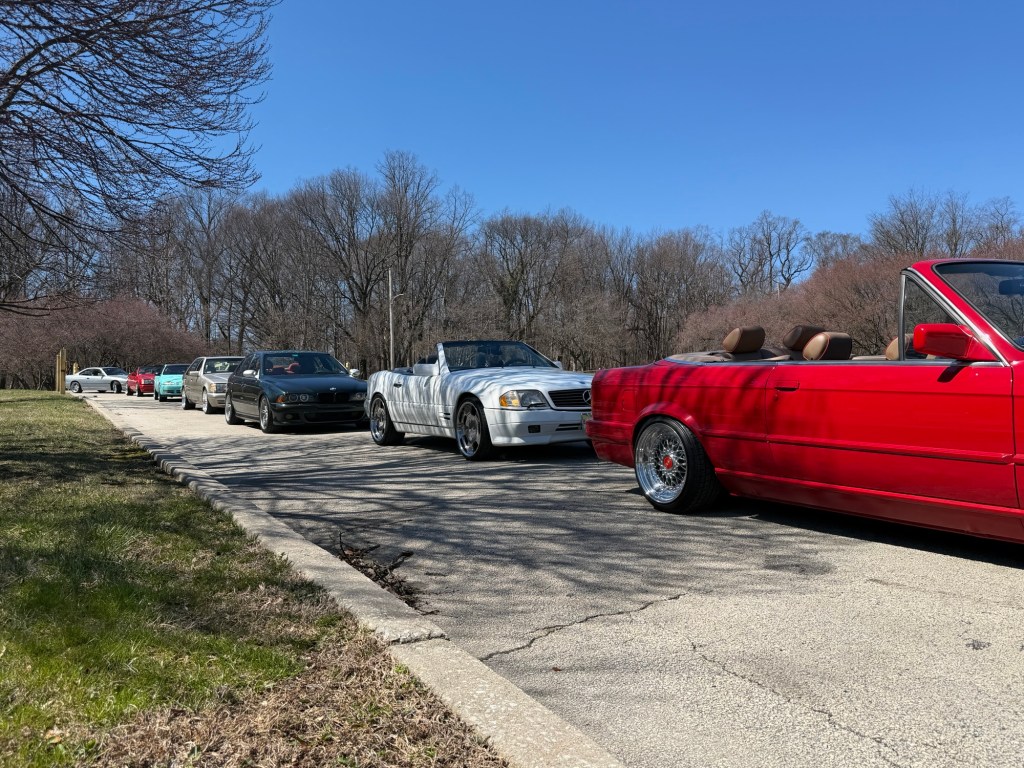
Common chariots of choice for these enthusiasts are the E30 BMW 3 Series, Mercedes-Benz S and SL-Classes and the Saab 900 Turbo. But you’ll also find a bunch of early models from Japanese luxury brands like Acura, Lexus and even Infiniti. Though commonplace now, these manufacturers were launched within that era and were seen as strong competitors to the German manufacturers that predominated the luxury market.
“These cars were brand new to everybody,” said Chancey, “Our pops didn’t even have them. They didn’t exist! So, when you pulled up with one, it was like, ‘What the fuck is that?’”
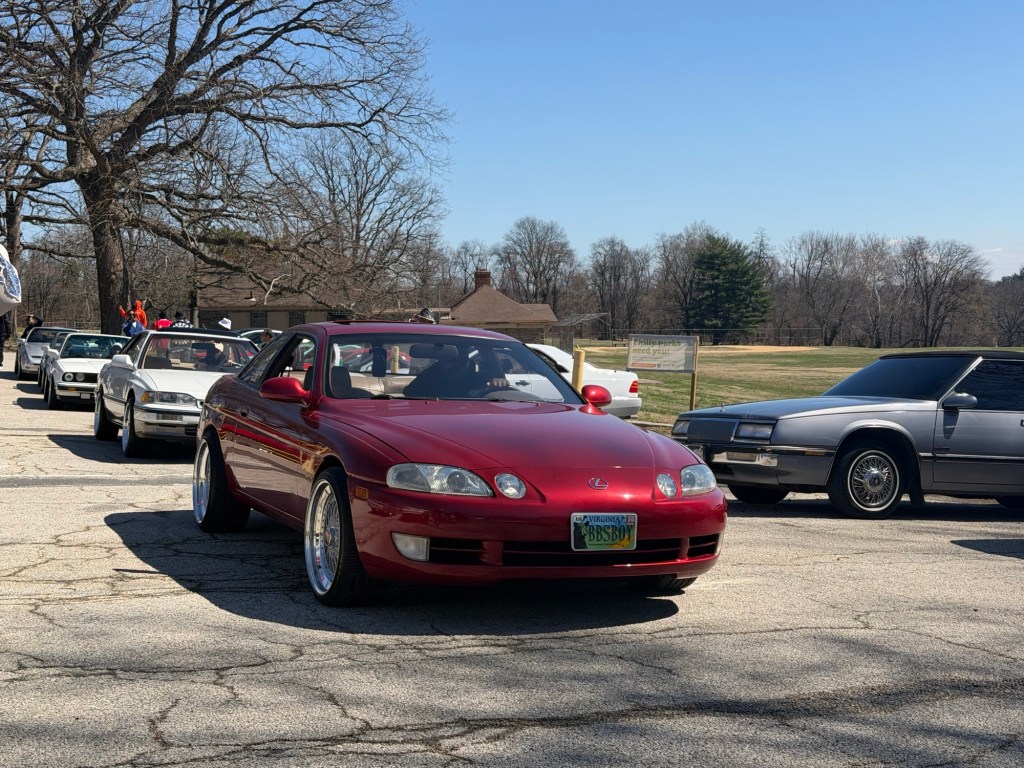
Though the meet had an admittedly slow start, the quiet, windy Saturday afternoon was suddenly interrupted by a sea of noise coming from Montgomery Drive. The next thing I knew, a parade of gorgeous, rare cars came pouring into the lot with some of the most intricate and period-correct mods I’ve ever seen. For instance, this Dakar Yellow 1995 BMW M3 has been owned since new by Jae King. He wanted his car to stick out from the rest, so he commissioned the dealer to paint-match the body moulds and install a lowering suspension kit, accompanied by some additional cosmetic goods from renowned BMW tuner, AC Schnitzer.
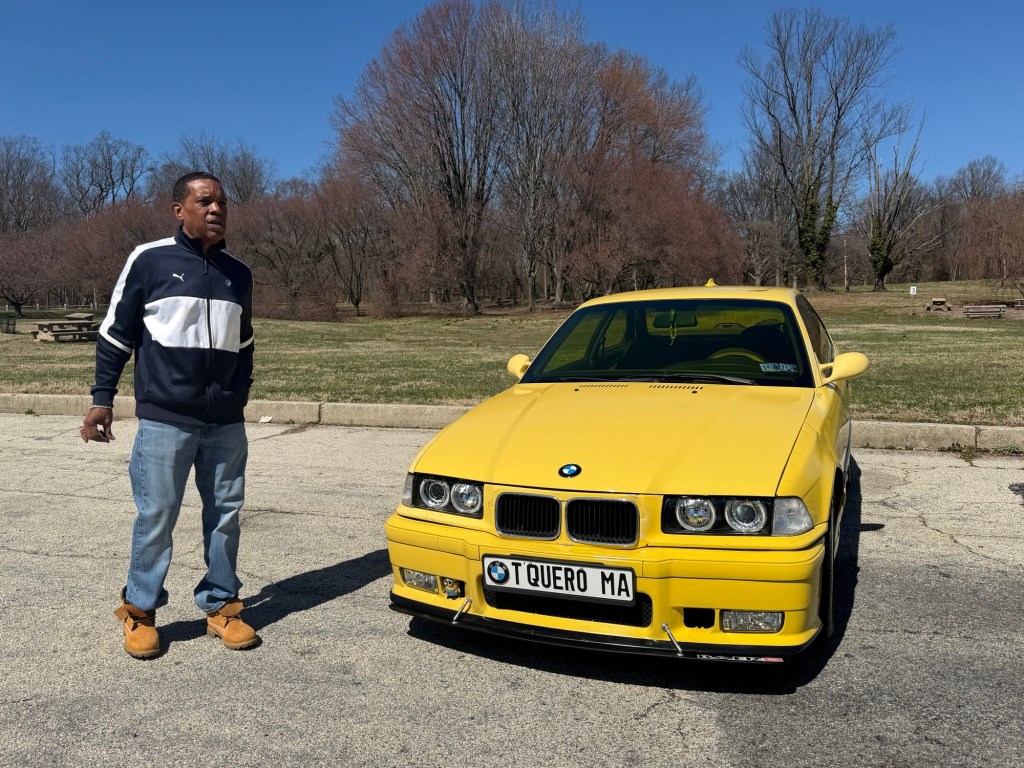
“I guess because of the way I looked- big chain, jeans, and Timbs- they thought I was joking,” said King. “But when I went to pick it up, there was a huge crowd surrounding it. I thought they were looking at the Z3, which just came out at the time, but when I moved closer, I realized they were all looking at my car.”
The demographic that attends the BBS Boys meet-ups is usually Gen X’ers, but the style has even made an impression on the younger crowd. Take 26-year-old Leo, for example, who showed up in his 1987 BMW 5 Series. He purchased the car in California and drove it back to Philly with no issues, an impressive feat for a car this age. Although we were both born far too late to experience the heyday of the dope boy era, we’re still drawn to it for the passion and love for these cars.
“At times I wish I wasn’t as drawn to it like I am,” said Leo, “I spent too much time and money fucking with my car, but it’s something to me.”
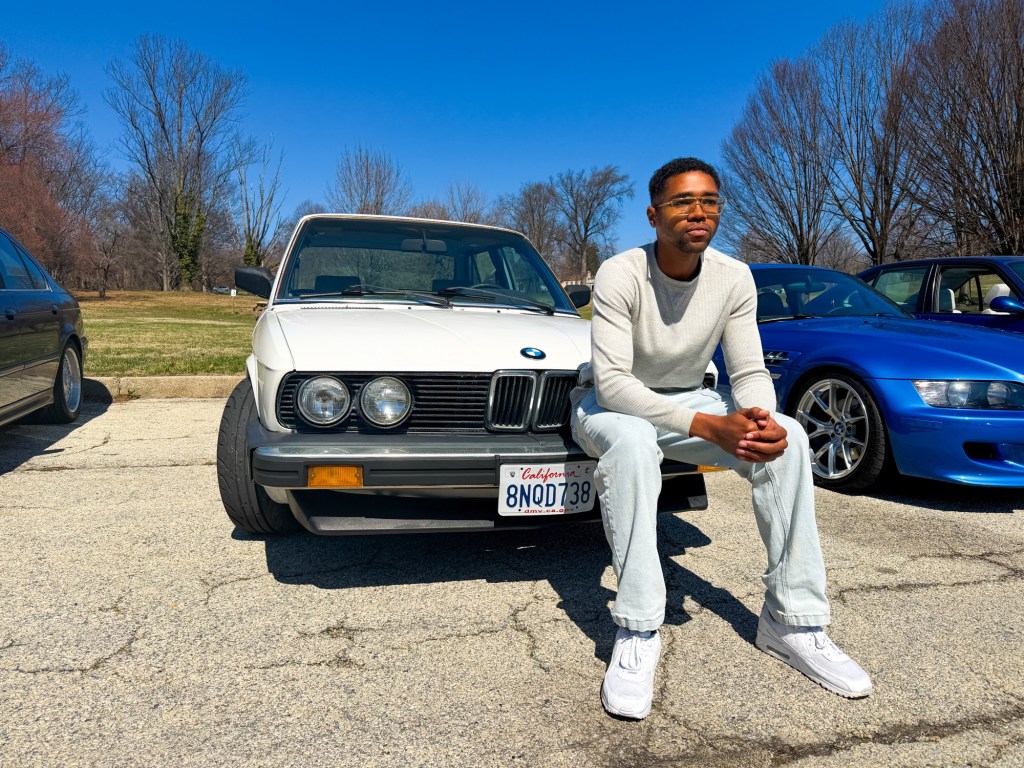
The BBS Boys do more than replicate a short-lived era of automotive history. It’s a preservation of black culture and a testament to our dedication to self-expression. It was nice to see people who looked like me achieve their goal of owning their childhood dream cars and connect with other like-minded enthusiasts. The dope boy trend may have come and gone, but the love and passion for the craft never died.
“It’s our history,” said DJ Thoro. “We have to keep it alive.”
 morethanatob.blog