I’ve been fed up with the current state of racing video games for a while now. Every year, developers like Playground and EA dangle keys in our faces with “exciting” new content, with their new triple-A titles being “built from the ground up.” Ultimately, it’s the same hot garbage they’ve been shoving down our throats with a fresh coat of paint- or graphics, in this case. I played the latest Forza Horizon for about an hour before I couldn’t fathom it anymore, and that hurts because I have such fond memories of the other games in the series.
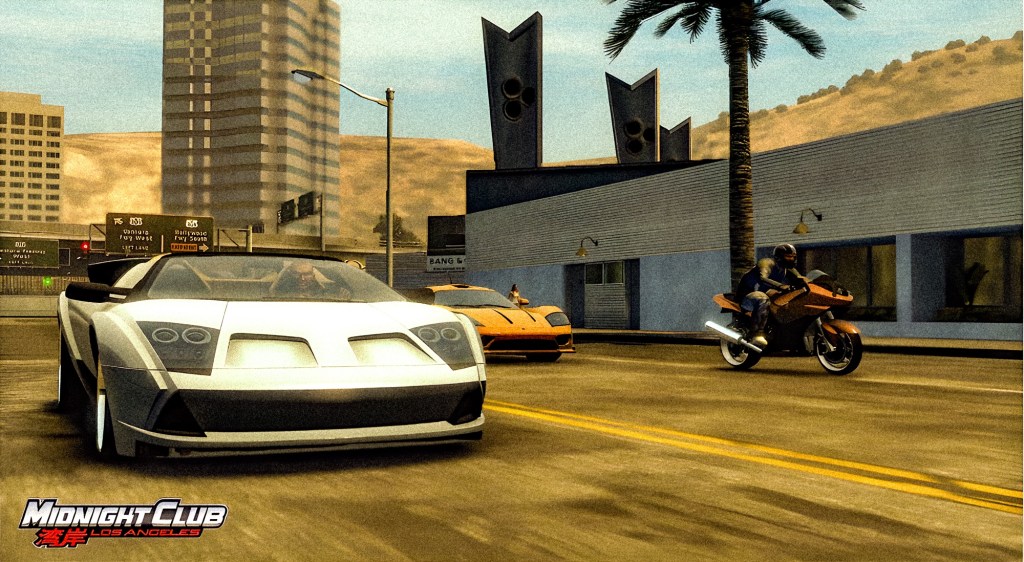
A few weeks ago I perused aimlessly through the Xbox store, looking for something to grab my attention. That was when I stumbled into an old friend, Midnight Club: Los Angeles. Now I’m no stranger to this franchise, one of the first games I was gifted along with my Playstation 2 was Midnight Club 3: Dub Edition. And that game is a masterpiece in every sense of the word. My adolescent mind was obsessed with Pimp My Ride and similar TV shows, so the fact a game existed where I too could add gaudy and unnecessary modifications to cars blew me away.
It took some years to get my hands on a copy of Midnight Club: Los Angeles; the game that succeeded Midnight Club 3 and the last game in the series. It hit stores in 2008, but I wouldn’t have my first go-around until 2016. I don’t remember much of my first playthrough, and now I know for damn sure why I didn’t finish this game, but we’ll get to that later. My old Xbox 360 save didn’t transfer over to my Xbox One, so essentially, I experienced the game for the first time again. And what an experience it was.
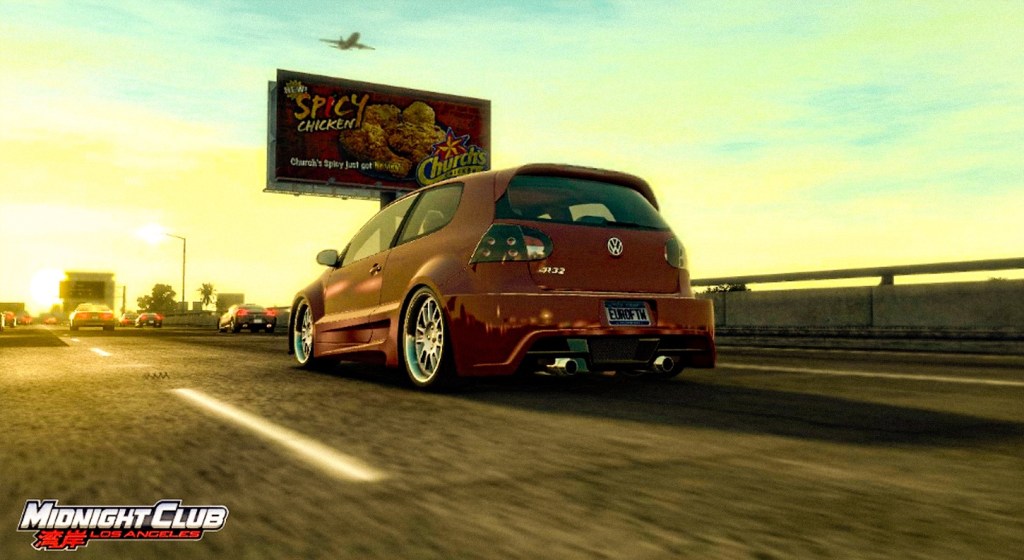
If there’s one thing that Rockstar Games knows how to do well, it’s making a period piece. The atmosphere of the game reeks of late 2000s nostalgia through its cars, setting, music, characters, and overall vibes.
Midnight Club: LA, of course, takes place in a meticulously detailed and faithful recreation of Los Angeles. Landmarks like the Hollywood sign, Santa Monica Pier, Sunset Boulevard, and Beverly Hills, all appear in-game. There’s billboards that advertise real-life products. Traffic is heavy or thin depending on the time of day. You even get messages from other racers on your T-Mobile Sidekick. This level of immersion is a foreign concept in modern games, and it shouldn’t be.
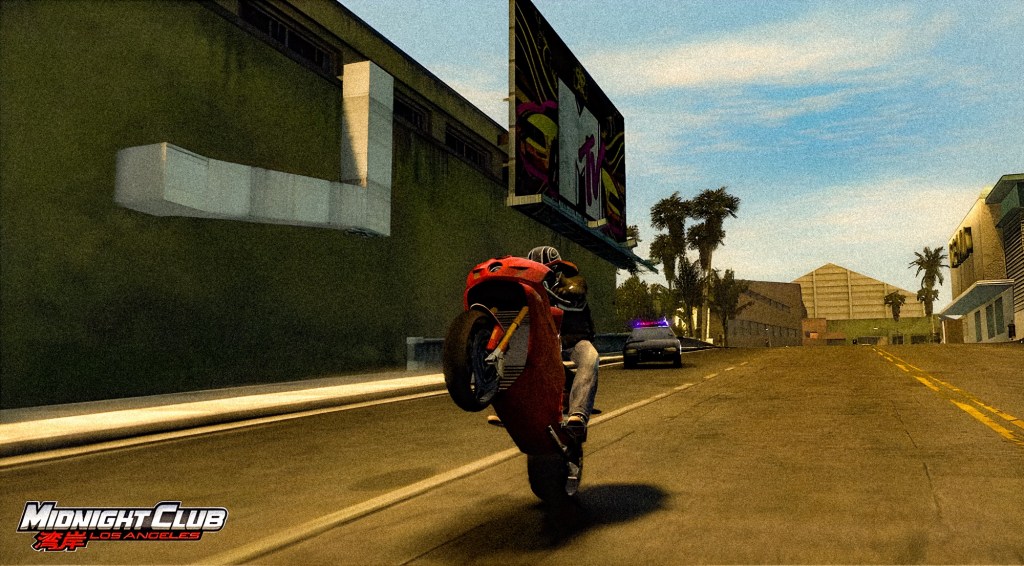
The selection of vehicles is incredibly diverse and sits as a perfect snapshot of post-Fast and Furious car culture. There’s muscle cars, low-riders, tuners, exotics, luxury SUVs, and even a few sport bikes are sprinkled in. What you can do to these cars, though, is the main highlight of the Midnight Club experience. Wanna put Lamborghini scissor doors on a Range Rover? Go for it. Slap some 22-inch chrome DUBs on a Nissan GT-R? Be my guest. There’s so much freedom with the amount of customization that this game offers. Almost every panel of your car can be tweaked and modified to your liking. You can even change the color of your interior and add neon ambient lighting. If you can do all of this in a 16 year old street racing game, how can’t this be done in a current Need For Speed?

I won’t sit here and say this game is perfect, and no game is without its flaws. But there is one major hurdle that I almost couldn’t get over, and it’s probably why I couldn’t finish this thing all those years ago. Simply put: this shit is hard. As hell. To emphasize how difficult this game is, Rockstar had to patch the difficulty when it first released because players couldn’t even get through the story without losing races. I guess the patch didn’t do much of anything, because it’s still brutal to get through.
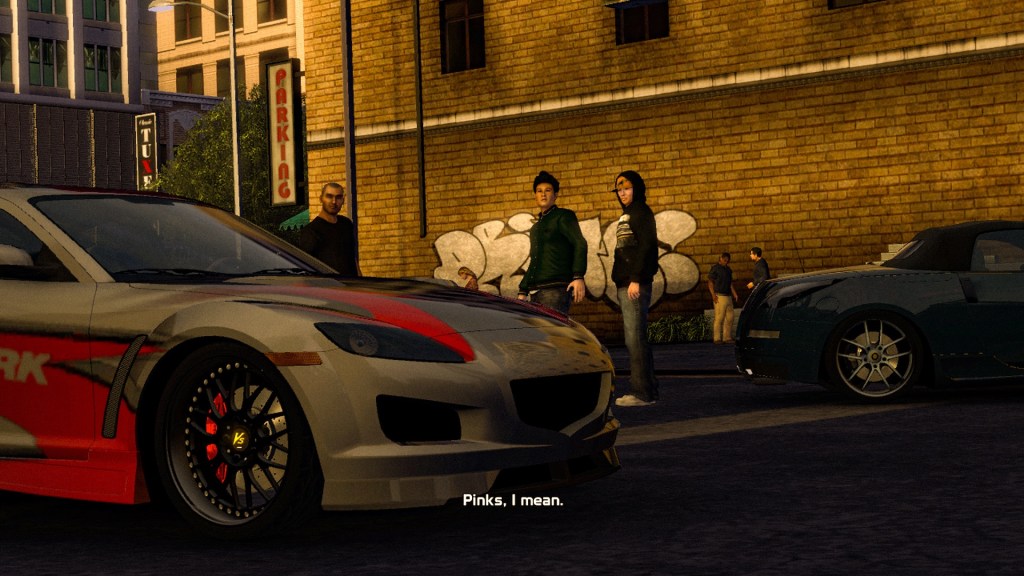
There’s a couple factors at play here. For one, the handling model is very jerky, especially when driving fast. It’s not terrible, but coming from modern racing games, it hasn’t aged well. Then you have the unfair AI, who love to ram you into walls and oncoming traffic. In order to advance the game’s story, or lack thereof, you have to complete missions which involve winning races and tournaments. Doing so can be an absolute pain, and in several races one mess up means that you’ll have to restart the entire race.

There were times where I considered rage-quitting, but strangely enough I couldn’t put the controller down. Then I realized, I couldn’t remember the last time I was challenged like this in a racing game. I later figured out how to use certain strategies to get the extra edge on my opponents, like using nitrous and power-ups at the perfect moment to speed past them. You really have to think outside of the box in order to rack up wins, and that forward-thinking is what’s missing in modern racing titles. Unlike Forza, you’re not given truckloads of money and fast cars at the beginning. You have to start from scratch, work your way up and adapt to situations that the game will throw at you. That’s what makes Midnight Club: LA special. It’s a challenge, but every triumphant win feels like a milestone.
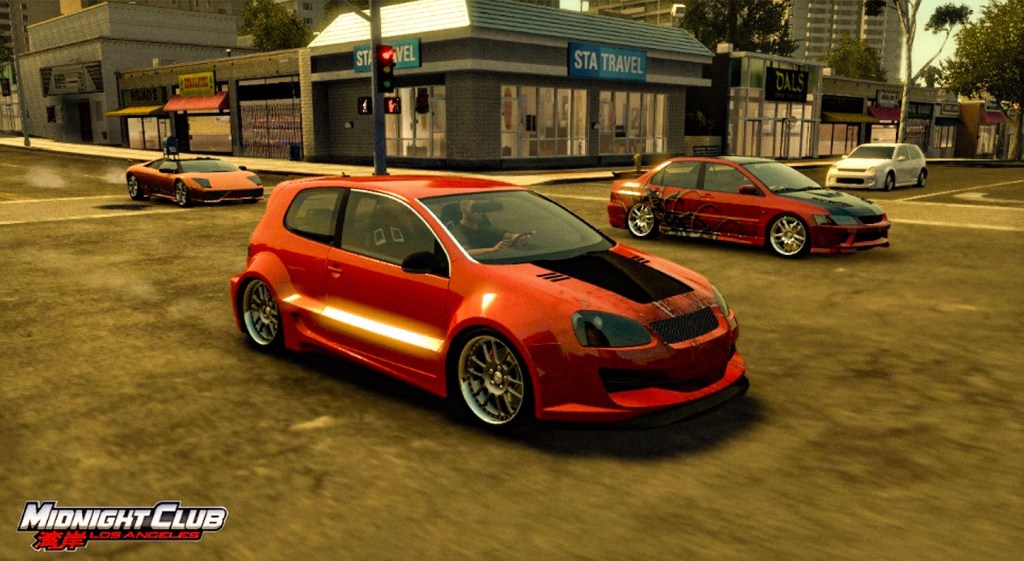
If you’re a fan of arcade-style racers, or you want a game that provides a decent challenge, I definitely recommend you play this. Sadly, this is the last Midnight Club we’ll probably ever see, so make the most of it. A couple of years ago, there were some rumors of Rockstar bringing back the franchise. If they can revive the fun and creativity of old-school racing games, then I’m all for it. For now, it’s wishful thinking.
 morethanatob.blog